Showing posts with label Travel. Show all posts

Tuesday, April 10, 2018

National Infant Immunization Week


During National Infant Immunization Week the United States can be proud of a very successful infant vaccination protection rate.  The National Immunization Survey has consistently shown that childhood immunization rates for vaccines routinely recommended for children remain at or near record levels.” Unfortunately, this vaccination victory weakens with age. As adults, we have the lowest vaccination rates. So how can we protect our children and ourselves? 

 Talk with your healthcare provider. After receiving a vaccination, many factors can change the actual protection a person ends up with. This is why we need to vaccinate more people to reduce the rate of illness.  Vaccination at every age is a simple and smart way to reduce contact with vaccine preventable illnesses.


 Follow the recommended vaccine schedule. An infant who receives the recommended vaccines will be protected from 14 vaccine-preventable diseases by age two!  


Travel with peace of mind. Did you know that not every country vaccinates for every illness that they could? Click here to see if your family needs extra protection for your next vacation.

 
Be a role model. As adults, it is just as important to make sure our vaccines are up-to-date as it is for our children. The health and well being of future generations depends on us staying healthy and not passing illnesses to children.

 
Protect! Give your infant the highest level of protection by continuing to follow the recommended vaccination schedule.  Encourage family and friends to get their vaccinations too.  Hopefully, we can all appreciate and expand our vaccine protection throughout our lifetime with these proactive steps.  


Good Health! Vaccinate!
Karen Plotas-McGrath, RN, BSN
Public Health Nurse

Thursday, February 22, 2018

Tips and Tools for Healthy Travel


You’ve thought out every detail of your vacation and you’re dreaming about lounging on a warm sunny beach. The last thing on your mind when packing your bags is the possibility of getting sick while on vacation. Sickness can happen to anyone when traveling and certain destinations can have different risks.  
Below are a few tips, links, and mobile apps to help keep you and your family healthy while traveling.
Plan Ahead
Depending on your travel destination and planned activities, different travel vaccines and medicines may be recommended. These include hepatitis A, hepatitis B, typhoid, or yellow fever to name a few. Before you hop on a plane, find out if your destination requires any travel vaccines. You can find this information by clicking here or asking your healthcare provider.   
CDC has a really cool feature on their Traveler’s Health webpage. Select where you are traveling to and the CDC will give you vaccine and medicine recommendations specific to that location. You can even click on what type of traveler you are (for example, traveling with children, traveling on a cruise ship, etc.).

Be Prepared
It’s a good idea to see a healthcare provider 4-6 weeks before your trip. Tell him or her where you are going and what activities you have planned. This way they can make health recommendations based on your destination. Also, make sure you are up-to-date on routine vaccines, including your flu shot. If you need any travel vaccines or certain medicines, get them before you go.

Pack to Prevent
Along with your bathing suit and toothbrush, it is good to pack:

·         Bug spray

·         Sunscreen

·         Long-sleeved shirts and long pants

·         Infant carrier mosquito net (if needed)

·         Bed net (if mosquitoes can get to where you’re sleeping).

·         Condoms

You can download the full list of what to pack here or customize your own on CDC’s TravWell mobile app.

While on Vacation
·         Avoid insect bites. Mosquitoes can spread diseases such as Zika, malaria, and dengue.

·         Apply sunscreen first, and then apply bug spray. Reapply both as directed.

·         Cover bare skin whenever possible.

·         Stay and sleep in screened-in or air conditioned rooms. Use a bed net if you’re sleeping outside.

·         Use condoms if you have sex. Zika can be passed through sex, from one infected person to another.

·         Download CDC’s Can I Eat This? mobile app to help navigate what is safe to eat and drink when traveling.

When You Get Home
If you get sick when you get home, see a healthcare provider. Tell him or her, where you traveled, what you did on your trip, how long you were gone, what you ate and drank while you were there, whether you were bitten by bugs, and any other possible exposure (sex, tattoos, piercings). It is also good to know, some infections can develop long after you return from your trip. For example, malaria can develop up to one year after exposure. 


We hope you enjoy your trip and can use these tools to help keep yourself and your family healthy!

HABs – Say Algae You Later!

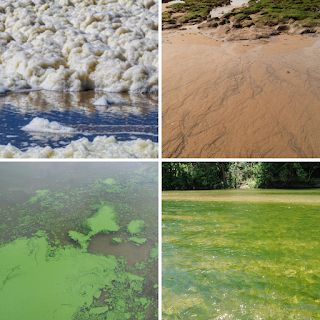
Being a Clinton County native, summer notifications of harmful algal blooms (HABs) at local beaches are nothing new. Certain places in our ...