Monday, March 14, 2016

Your Opinion Needed


Attention Clinton County Residents—we need YOU!  CCHD wants your opinion on health concerns in Clinton County.  Please complete our brief Health Assessment Survey, which can be accessed at:


This survey is for anyone residing in Clinton County, New York.  The information collected will be used to identify priorities for the 2017-2020 Community Health Improvement Plan.  If you have any questions, please contact us at (518)565-4993. 

Friday, March 4, 2016

Women's History Month and Public Health Contributions


March is celebrated as Women’s History Month. There are many women who have made a difference in our public health:
  • Marie Curie, a two time Nobel Prize winner. After her husband’s death, she continued the couples radiation research while raising two daughters.
  • Dr. Virginia Apgar, M.D., developed a system of evaluating the health of newborns which is still used today.
  • After the death of her beloved grandfather by cancer, Gertrude Belle Elion developed the first major drug used to fight leukemia and continued to find ways to fight cancer during her career.
  • In the 1990s we saw the first female Hispanic Surgeon General, Dr. Antonia Novello. She focused on the health of young people, women and minorities. She had an effective campaign against the tobacco company’s use of Joe Camel advertisements.  
  • Dr. Regina Benjamin continued to rebuild a rural health clinic she founded in Alabama that was destroyed after multiple storms and a fire. She was appointed the first black woman, under the age of 40, as a member of the Board of Trustees of the American Medical Association and our 18th U.S. Surgeon General.
Let's celebrate all the women throughout history, and those that are currently making their mark, and their contributions to public health.  


Monday, February 1, 2016

THUMP! THUMP! February is American Heart Month!

Do you have a good heart beat?

February is American Heart Month. Did you know that each minute of physical activity may contribute toward reduced risk of heart attack and death from heart-related problems? This is according to a study from the American Heart Association (AHA).

And...more than 67 million Americans have high blood pressure. High blood pressure is the leading cause of heart disease and stroke. If you have high blood pressure, here are some tips to control it:
·         Reduce sodium intake
·         Eat more fruits and vegetables
·         Exercise more often
·         Avoid alcohol
·         Quit smoking
·         Limit caffeine intake
·         Reduce stress
High blood pressure often shows no signs or symptoms, which is why having it checked on a regular basis is important. Consult with your healthcare team to keep your heart healthy! Visit http://www.cdc.gov/features/heartmonth/ for more information.

Friday, January 29, 2016

Happenings at CCHD: Health Facility Comptroller


This month’s “Happenings” features Darlene Eddy, Health Facility Comptroller.

A little background first, I have my Bachelors of Science in Professional Accounting from SUNY Plattsburgh.  I worked eight years as a senior accountant at a private business and 17 years here at CCHD as the Health Facility Comptroller.  Governmental & Business accounting are really similar; however, our funding is mainly provided by taxpayer dollars, whether it is through grants, Medicaid billings, sales or property taxes.  With that, it is very critical that we be good stewards of those funds entrusted to us and function with a high degree of integrity.  This is what I love most about CCHD, the high degree of professionalism, accountability and integrity that staff emulate.
At CCHD, I am the Chief Financial Officer and the Leader of the Finance & Information Technology (FIT) division which consists of one Senior Computer Programmer and six account clerks (entry level to principal level).  Our acronym, FIT, fits with how we embrace CCHD’s motto “Working Together for a Healthier Community” J.  I work with managers, supervisors, front line, clerical staff and my own team here at CCHD focusing on the outcomes and impact we are making on our community!
Today, January 27, 2016 was yet another fun-filled, fast-paced day. 

·         The accounting year closed 12/31/2015 and there is lots to do with very tight deadlines to ensure the books are closed out properly.  We focused on some critical accounts payable transactions that relate to “special” state aid funding that ends 01/31/16 thus maximizing revenues from New York State. 

·         We are working together on the details and different phases for several projects involving much needed renovations: new office furniture, staff movement, VOIP phones and new network switches to improve connection speeds.  All of this helps organize us and keeps the infrastructure running smoothly, so staff can do what needs to be done for the public. 

·         At the Agency meeting today, I discussed the 2016 Budget highlights and ended with this comment to all staff:  “In order to support the programs of our department it is imperative that we all work together towards our Department’s vision and keep the communication lines open, since none of us function in a vacuum.  We are reliant on each other to do their part.  And, we don’t know, what we don’t know, so share the knowledge and information with each other so we can be the best Public Health Department.”
It is truly a team effort requiring active listening, asking questions, and requesting help when needed.  We are all here to make our vision come true “Clinton County.….Healthy People in a Healthy Community”!

Tuesday, January 19, 2016

Are You Emergency Prepared?

Disasters or emergencies come unannounced. To plan for these unexpected events, it’s essential to be prepared before they strike. Having an emergency kit will put you ahead of the game. It is recommended to have supplies on hand to survive for at least three days. Some of these basic supplies include:

§  Water, one gallon per person and per pet each day for drinking and sanitation purposes
§  Non-perishable food
§  Battery-powered or hand crank radio and a National Oceanic and Atmospheric Administration (NOAA) Weather Radio with tone alert and extra batteries
§  Flashlight and extra batteries
§  First aid kit
§  Whistle to signal for help
§  Dust mask to help filter contaminated air
§  Plastic sheeting and duct tape to shelter in place
§  Moist towelettes, garbage bags, and plastic ties for personal sanitation
§  Wrench or pliers to turn off utilities
§  Manual can opener for food
§  Local maps
§  Cell phone with chargers, inverter, or solar charger
When organizing the food in your emergency kit, be sure to choose nutritious options. Avoid foods high in salt that will increase your thirst. Including protein, carbohydrates, and healthy fat sources will help keep you full and energy levels up. Foods such as nuts, dried meat, whole grains, canned beans, fruits, or vegetables are all good options. Lastly, you should regularly check the expiration dates and condition of the foods in your kit. Be sure the canned foods are not dented or damaged. Store the food in a dry, cool place.
Some other items you may think about including in your kit may include:
§  Prescription medications and glasses
§  Infant formula or diapers
§  Pet food
§  Cash
§  Sleeping bag/blankets
§  Change of clothing
§  Matches
§  Fire Extinguisher

Tuesday, January 5, 2016

Cold Enough For You?

Seeing temps at or below the freezing mark leave many people wishing they lived somewhere warmer. Though our area has a lot of very fun things to do in wintertime, extended periods of extremely cold weather can be dangerous if you aren't prepared.

The CDC has a great resource, "Extreme Cold: A Prevention Guide to Promote Your Personal Health & Safety" that covers the following topics and more:
  • Emergency Supply List
  • Preparing Your Home and Car for Winter
  • Monitoring Body Temperature
  • Understanding Wind Chill
  • Frostbite/Hypothermia
Enjoy the beauty of the snow and ice, but remember to plan ahead and be safe!

Tuesday, December 8, 2015

The DIY Vaccine

Hand washing is like a "do-it-yourself" vaccine—it involves five simple and effective steps (Wet, Lather, Scrub, Rinse, Dry) you can take to reduce the spread of diarrheal and respiratory illness so you can stay healthy.

Regular hand washing, particularly before and after certain activities, is one of the best ways to remove germs, avoid getting sick, and prevent the spread of germs to others.

It's quick, it's simple, and it can keep us all from getting sick. Hand washing is a win for everyone, except the germs.

Here's some humor to share with friends who may roll their eyes at your attempts to keep them healthy:


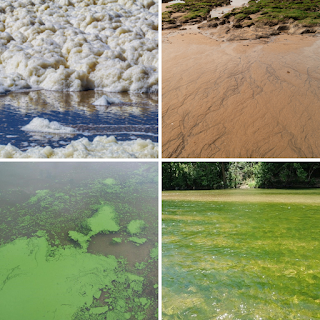
HABs – Say Algae You Later!

Being a Clinton County native, summer notifications of harmful algal blooms (HABs) at local beaches are nothing new. Certain places in our ...