Showing posts with label School Lunch. Show all posts

Sunday, August 8, 2021

How to Help Your School-Aged Kiddos Make Better Food Choices

One of the most common questions I get as a Registered Dietitian is “So...what exactly should I be feeding my kids?” The answer can be simple: “What exactly do you feed yourself?” Adults should strive to eat a well-balanced diet as much as possible. The eating habits parents have are often the same habits their children develop. The best way to feed your children is to set a good example for them and to join them in making wholesome food choices! Here are some tips on the main food groups kids should be eating. 

What Are The 5 Food Groups? 
• Fruits 
• Grains 
• Protein 
• Dairy 

 How Do I Help My Kids Make Good Food Choices? 
  • Aim for the Rainbow 
    • Including every food group and a wide variety of colors is a good way to make sure your kiddos are getting the vitamins and minerals that they need. 
    • Children who eat balanced meals are more likely to have better brain, muscle, and bone development and are less likely to grow up to be picky eaters.
  • Be a Role Model 
    • Bring your kids grocery shopping so they can help pick out fruits and veggies; caregivers are every child’s first teacher.
    • Prepare nutritious meals with your kids. A child that helps prepare a meal is more likely to want to eat it because they are proud of their hard work!
  • Avoid Saying Foods are "Good" or "Bad"
    • In the right amounts, all food can fit! 
    • Banning ‘junk’ food or saying only certain foods are ‘good’ can leave kids feeling fearful of food and could lead to disordered eating later in life. 
  • Have Options
    • It’s best to always have nutrient dense foods at home.
    • Kids like to feel independent; find time to let them choose between two nutritious snacks so they feel involved. 
What are Some Lunch/Snack Recipes My Kids Can Help Prepare? 


For more fun food ideas for you and your kids, find the WIC and Farmers Market recipes on the Clinton County Health Department website! 

Emily Hutchins, RD, CDN, CLC

WIC Public Health Nutritionist

Division of Health Planning and Promotion


Tuesday, September 11, 2018

Food for Thought


Back to school can be a time of mixed emotions for most parents – happy to send kids off after a chaotic summer but sad to see their babies growing up. No matter how you are feeling about sending your kids back to school, one thing is for sure; healthy foods help students do their best in school, clubs and sports.

Children consume up to half of their meals in school and whether they are bringing a lunch from home or taking advantage of the wonderful school lunch programs, the meals should be packed with whole grains, lean proteins, fruits, vegetables and low-fat dairy products.

  • Whole Grains make kids feel full longer. They help them stay alert and focused. Be sure to check the food labels for the word “whole”.

  • Lean Protein foods are meat or meat alternatives like poultry, nut butters and legumes. Be sure they are low in fat and that you choose a variety.

  • Fruits & Vegetables offer a great source of fiber in your child’s diet. Pack them extra fruits and veggies, that way they will reach for a healthy snack if they find themselves hungry during the day.

  • Low-Fat Dairy provides an excellent source of calcium and vitamin D for growing bodies. Be sure you are offering low-fat or fat-free options including milk, yogurt and cheese.

In the North Country we have free or low-cost school lunch programs to take advantage of. School meals are not only convenient but are also packed with nutrients that kids need with a focus on low-sodium and low-fat options.  The best part? School lunch is tailored to your child’s needs! Portion sizes are based on your child’s age and developmental stage. You can also save time and simplify your family’s morning routine by taking advantage of the school breakfast programs.

Whether at home or at school healthier eating patterns have been linked to better academic performance. Explore www.choosemyplate.gov as a family to kick-start your school year the healthy way!

Molly Flynn, Senior Public Health Educator
Division of Health Planning and Promotion

Friday, May 12, 2017

Make School Meals Great Again?


If you are like me, the U.S. Secretary of Agriculture's school meal program announcement came as a shock.  After doing a little research, the changes aren’t nearly as dramatic as they seem at face value. The new proclamation gives states control of guidelines on whole grains, sodium and milk. The rest (the meat and potatoes if you will) of the Healthy Hunger Free Kids Act (HHFKA) nutrition standards remain untouched. Here’s the inside scoop:

·         Whole Grains – Since many schools are finding it hard to obtain whole-grain rich products and prepare them in a way that is appealing to students, the United States Department of Agriculture (USDA) “will allow states to grant exemptions to schools experiencing hardship in serving 100 percent of grain products as whole-grain rich for School Year 2017-2018”. This system has actually been in place since the 2015 appropriations bill.

·         Sodium – We all know that too much sodium can negatively impact our health (if you didn’t know; now you do!). To this end, the HHFKA requires schools to gradually (over 10 years) reduce the amount of sodium in school meals. A mandated sodium reduction was set to take effect July 1, 2017 however; the new proclamation states that schools do not have to meet this reduction until 2020.

·         Milk –Schools can now offer 1% flavored milk to students. This is a change since schools can currently only offer flavored milk that is fat-free and unflavored low-fat milk.

The take away message – it is going to take longer for schools to fully meet the HHFKA nutrition standards. In the meantime the USDA is working to implement long term solutions and provide technical assistance to school districts so they can better comply with the nutrition standards.


For more information on the Healthy Hunger Free Kids Act (HHFKA): https://www.fns.usda.gov/school-meals/healthy-hunger-free-kids-act

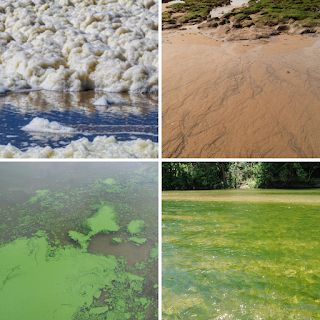
HABs – Say Algae You Later!

Being a Clinton County native, summer notifications of harmful algal blooms (HABs) at local beaches are nothing new. Certain places in our ...